



Organisations Worldwide
0
+



Don’t let the wrong IT partner cost you more than just money. Here’s exactly what to look for.
Don’t let the wrong IT partner cost you more than just money. Here’s exactly what to look for.
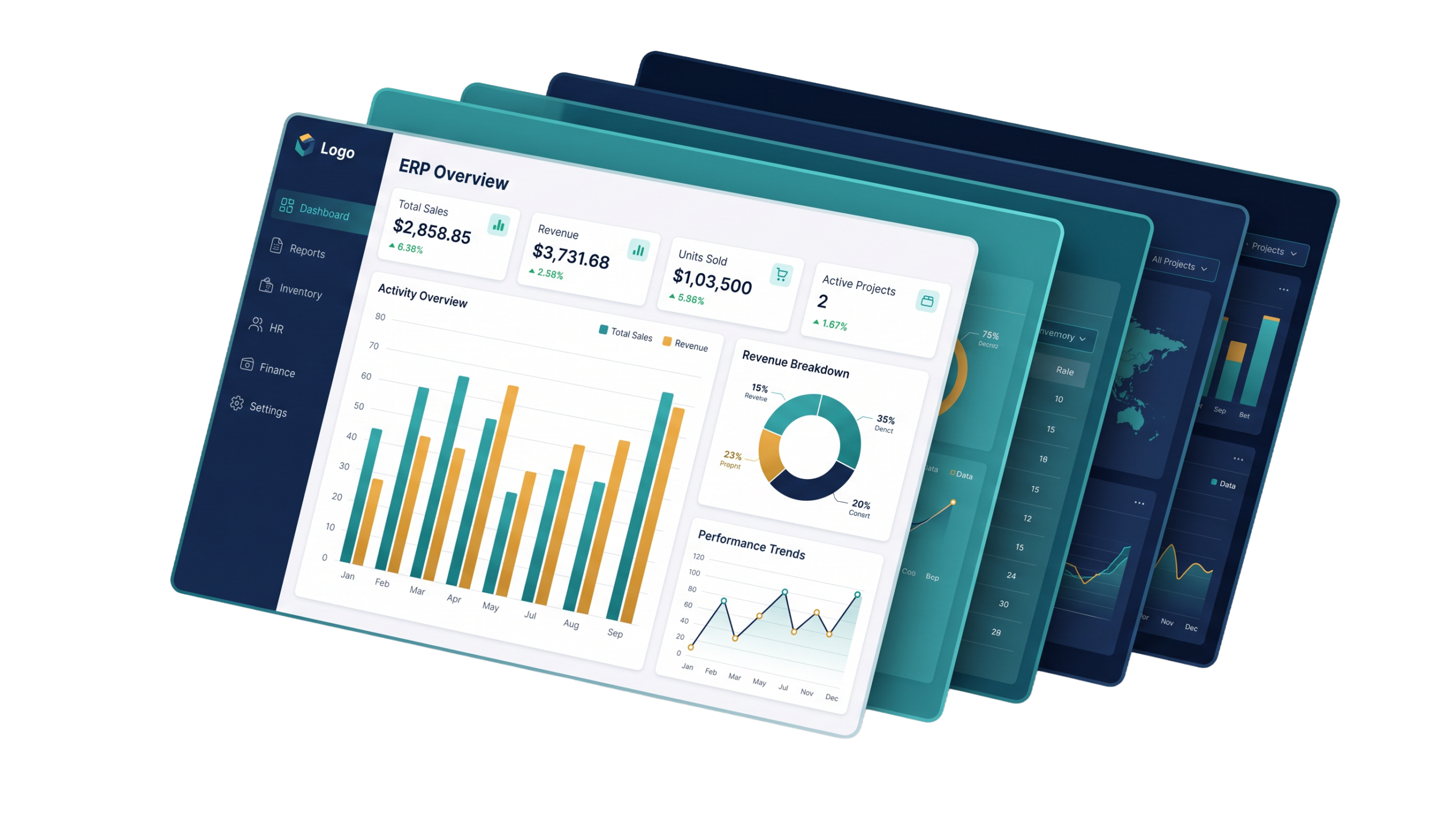
Oracle Cloud ERP Platform
NetSuite is a cloud-based business management software commonly referred to as an ERP system. Owned by Oracle, it combines financial management, inventory management, customer relationship management, e commerce, project tracking, and advanced reporting into one unified platform.
It is the most used cloud ERP solution globally, and it is built to run your entire business from a single login. As of 2026, NetSuite is used by over 43,000 organizations worldwide, operating across more than 200 countries.
NetSuite provides a unified platform for financials, CRM, and inventory — departments stop working in silos and make informed decisions from a single source of truth. The platform is delivered entirely as a cloud ERP solution: no servers, no patches, no version fragmentation.
At its core, NetSuite ERP is an enterprise resource planning platform that brings together financials, operations, supply chain, CRM, and ecommerce into one database. NetSuite operates on a multi-tenant cloud architecture — every customer runs on the same codebase and receives automatic updates twice per year.
General ledger, accounts payable, accounts receivable, cash management, fixed assets, tax management, and revenue recognition in one unified system.
Real-time visibility into stock levels across multiple warehouses and channels, with demand planning, order management, and warehouse operations built in.
Sales automation and marketing automation covering the full customer lifecycle, with 360-degree customer data shared across every team.
B2B and B2C online storefronts sharing inventory, pricing, and customer data with the core ERP — unified payment processing and order management.
Project planning, resource management, timesheets, and project-based billing tied directly to financials for real-time profitability.
Employee records, onboarding, payroll management, performance management, and time tracking feeding into financial management.
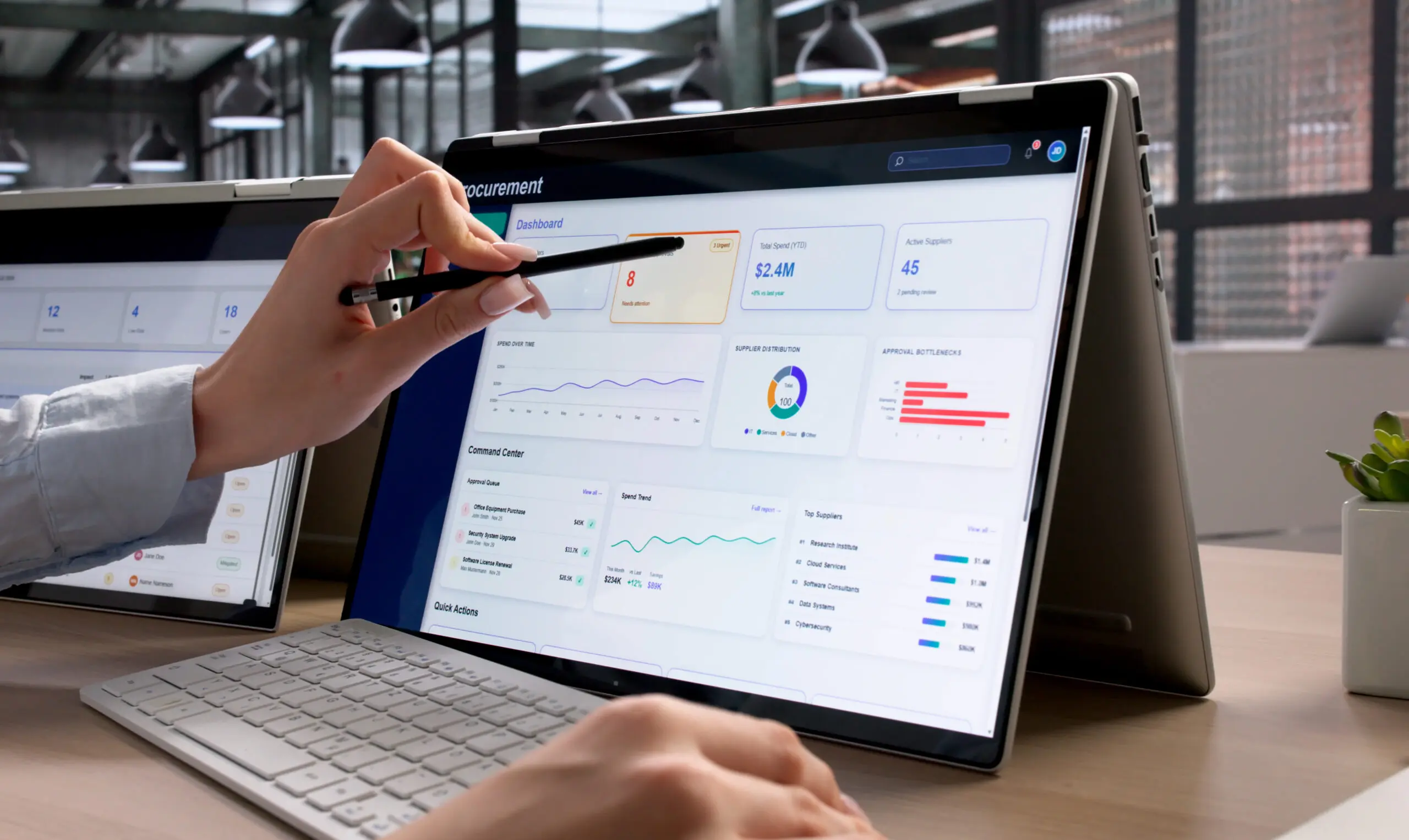
Oracle hosts and maintains all infrastructure. You access everything through a web browser with role-based security — nothing to install locally.
The “single database” concept is central. Every module — finance, inventory, CRM, ecommerce — reads and writes to the same NetSuite data in real time. This eliminates manual reconciliation between systems and gives your organisation real time visibility into business operations across departments.
A customer places an order through your online storefront. Inventory levels are checked automatically. If the item is only available at a different warehouse, the ERP system triggers a transfer order. Once fulfilled, an invoice is generated, revenue and cost of goods sold are updated in financials, and the sales manager sees the completed order in CRM history. No batch syncs. No spreadsheet hand-offs.
The SuiteCloud platform allows custom fields, workflows, scripting, integrations, and SuiteApps — all built to survive regular upgrades without disruption.

NetSuite has embedded AI as a core part of the product — not an optional add-on. Because AI operates on unified operational, financial, and customer data, it delivers more accurate and contextual results than external tools bolted on after the fact.
A secure service that links NetSuite data to external AI platforms such as ChatGPT or Claude, enabling custom AI workflows while maintaining governance and role-based access controls.
AI-driven forecasting for revenue, cash flow, and inventory demand based on historical transactions and real-time trends. Demand Planning uses predictive analytics for accurate inventory forecasting.
Automated invoice capture, transaction categorisation, and approvals routing reduce administrative overhead. AI-Powered Exception Management detects anomalies in financial processes proactively.
Draft and refine written content directly inside NetSuite — invoice notes, customer case summaries, collection emails, and product descriptions for ecommerce listings.

All capabilities share the same cloud based platform and database — a single source of truth across departments, subsidiaries, and locations.
General ledger, AP, AR, cash management, fixed assets, revenue recognition, and tax management centralised.
Multi-subsidiary, multi-currency, multi-tax international operations. 190+ currencies, 27 languages.
Driver-based models, rolling forecasts, and scenario planning integrated with actuals from the general ledger.
Real-time visibility across warehouses. Order-to-cash flow from order capture through invoicing in one unified system.
360-degree customer view across the full lifecycle. Marketing automation, opportunity management, and post-sale support.
Omnichannel storefronts sharing inventory, pricing, and customer data with the core ERP. Mobile-optimised.
Employee records, onboarding, payroll management, time-off, and performance management integrated with financials.
Project planning, resource management, timesheets, and project-based billing with real-time profitability.

NetSuite’s financial management suite centralises financial processes for accuracy across general ledger, accounts payable, accounts receivable, cash management, fixed assets, and tax management. NetSuite automates core accounting processes like invoicing and ledger updates, which means finance teams spend less time on data entry and more time on analysis.
You can manage accounting across entities, run consolidated financial reporting, and track key performance indicators in real time. Built-in controls, audit trails, and compliance support — including revenue recognition standards and local tax rules — give CFOs and controllers the confidence that critical processes are handled correctly.

netsuite oneworld supports multi-subsidiary, multi-currency, and multi-tax international operations with real-time consolidation. It covers 190+ currencies and 27 languages, making it the standard choice for global business management.
NetSuite’s primary audience is fast-growing and mid-market organisations, typically from about $10M to $500M in annual revenue. Industries include manufacturing, wholesale distribution, software and SaaS, ecommerce, and professional services.
Common triggers for adoption include outgrowing basic accounting tools, struggling with multiple disconnected systems, managing complex inventory across locations, or expanding into new markets. Cloud ERP enables faster growth cycles for businesses by removing the infrastructure bottleneck.

The central benefit is a single source of truth. When finance, operations, and customer relationship management all run on the same database, you eliminate the reconciliation work that consumes weeks every quarter. Businesses benefit from faster closes, better visibility, and more confident decision-making.
NetSuite implementation typically takes 3–7 months, following the SuiteSuccess methodology using industry-specific templates to accelerate deployment.
Map current workflows and pain points. Define scope including number of entities, modules, currencies, and integrations needed. This is the most important step.
Industry-specific templates accelerate configuration. Custom fields, workflows, SuiteScript, and integrations are built to survive future upgrades without disruption.
Clean data migration followed by user training, parallel testing, go-live, and post-go-live optimisation. Typical timeline: 3–7 months depending on complexity.
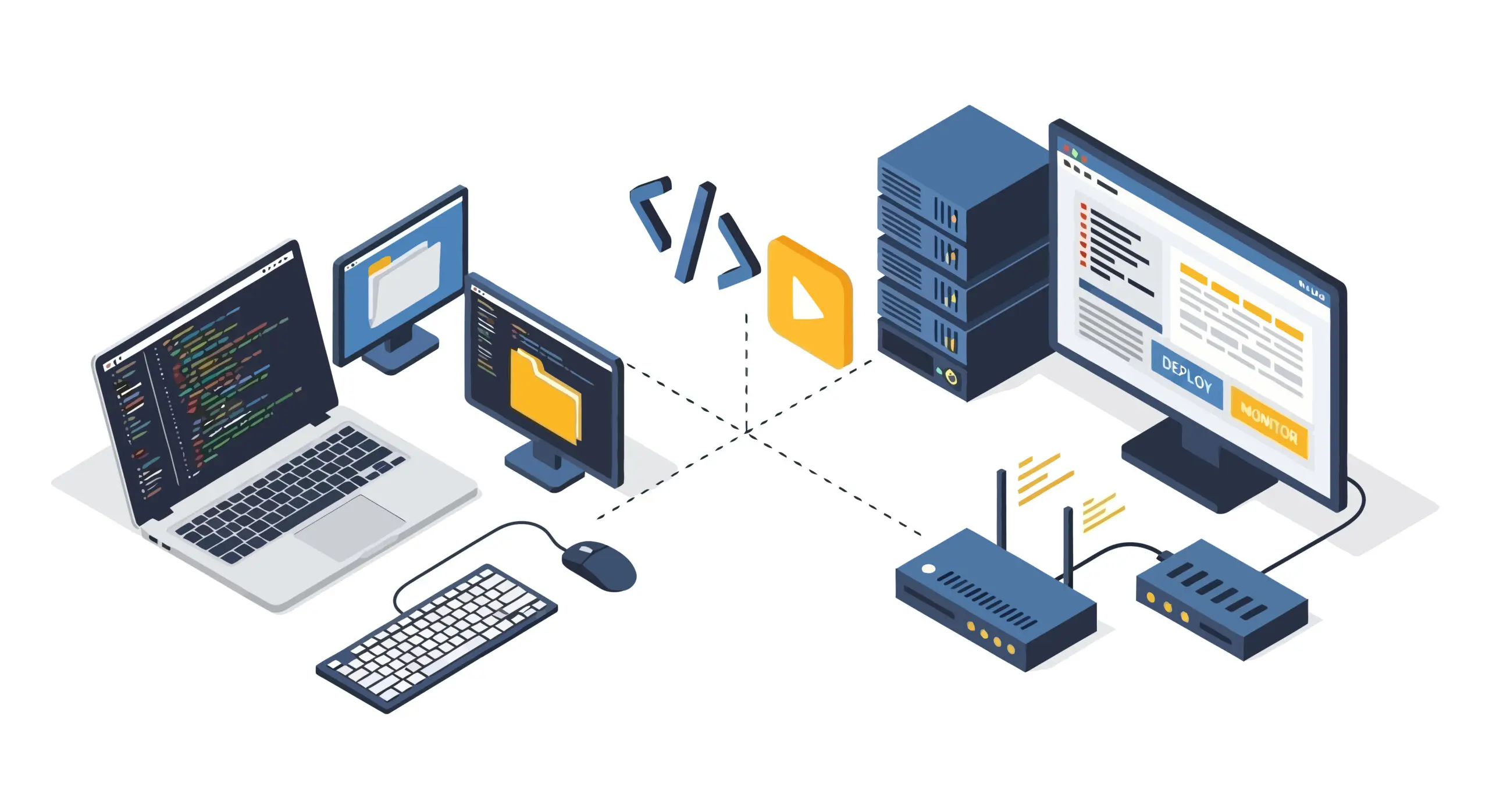
The biggest risk is not the technology — it is underestimating change management. Moving from spreadsheets and disconnected systems to one ERP requires process redesign and staff buy-in.
NetSuite integrates with payment gateways, tax engines, ecommerce platforms, shipping tools, and external AI models. SuiteCloud allows custom fields, workflows, SuiteScript scripting, and integration APIs — all built to survive regular upgrades.
NetSuite pricing is based on a subscription model. Annual licence fees include the platform and optional modules, and costs depend on modules, user count, and contract duration. There is no single published price because NetSuite cost varies significantly by configuration.
How much does NetSuite cost for a mid-market company? Most organisations invest tens of thousands of dollars per year in subscription fees, plus a one-time implementation fee that can range from tens to hundreds of thousands depending on complexity. To purchase NetSuite at the right scope, work with a solution provider who understands your industry.
Total cost of ownership is typically lower than running multiple on-premise systems when you factor in avoided hardware, upgrade projects, integration maintenance, and internal IT staffing. The NetSuite pricing model shifts spend from unpredictable capital expenses to a manageable, predictable operating cost.

NetSuite is not a magic fix, and it requires real commitment to process change. But for businesses ready to consolidate critical processes into a single, scalable cloud ERP, it is the strongest foundation available today.
NetSuite fits organisations that need unified enterprise resource planning across complex operations — multiple entities, currencies, warehouses, channels, or rapid growth. If your business processes require a cloud based platform that can handle everything from financial reporting to supply chain management to CRM, it belongs on your shortlist.
Run an internal requirements workshop to map current workflows and pain points. Request a high-level demo of NetSuite features, including the latest AI capabilities. Then engage with implementation partners who have experience in your specific industry.
The most common questions about Oracle NetSuite, answered.
NetSuite is used to manage core business functions including financial management, inventory management, customer relationship management, e commerce, and professional services automation in one unified platform. It replaces disconnected software solutions with a single cloud based platform that gives finance teams and operations managers real time visibility into the entire business.
Implementation typically takes 3–7 months depending on complexity, number of subsidiaries, and required integrations. NetSuite’s SuiteSuccess methodology uses industry-specific templates to accelerate deployment. The process includes requirement scoping, configuration, data migration, user training, go-live, and post-go-live optimisation.
Yes. NetSuite OneWorld supports multi-subsidiary, multi-currency, and multi-tax international operations with real-time consolidation across regions. It covers 190+ currencies and 27 languages, making it the standard choice for global business management in mid-market and enterprise companies.
No. NetSuite is designed for growing mid-market companies, though it scales to support larger enterprises as well. Many organisations adopt it with annual revenues starting around $10M. The cloud ERP solution is built to streamline operations for businesses that have outgrown basic accounting tools but are not yet ready for the complexity of on-premise enterprise systems.
NetSuite pricing is based on a subscription model — there is no single published price because NetSuite cost varies by modules selected, user count, and contract duration. Most mid-market organisations invest tens of thousands of dollars per year in licence fees plus a one-time implementation investment. To purchase NetSuite at the right scope, engage with a solution provider who understands your industry and can configure the right module set.

First Stop IT helps growing businesses evaluate, implement, and optimise cloud ERP solutions including Oracle NetSuite. Speak to our team today to find out whether NetSuite is the right fit for your business processes, budget, and growth plans.
This website uses cookies to improve your experience. Choose what you're happy with.
Required for the site to function and can't be switched off.
Help us improve the website. Turn on if you agree.
Used for ads and personalisation. Turn on if you agree.